

How a Personal Color Analysis Palette Helps You Look More Radiant Daily
A personal color analysis palette helps you look more radiant daily by identifying the specific hues that harmonize with your natural skin undertone, eye color, and hair depth. This guide covers complexion brightening, eye enhancement, wardrobe coordination, and makeup shade selection. We explain how professional draping systems, such as the 23-Season and 35-Palette methods, provide precise guidance for daily styling. The goal is to give you practical tools for choosing colors that support your natural features.
Complexion Brightening
Complexion brightening is the process of selecting colors that reflect light onto the skin to reduce the appearance of shadows and dullness. When you wear colors that clash with your natural undertone, your skin may appear flat or tired. A professional color analysis identifies the specific value and intensity of colors that complement your unique complexion. This allows you to choose fabrics and accessories that create a natural glow.
Understanding Undertones and Value
Your undertone is the subtle hue beneath the surface of your skin, which can be warm, cool, or neutral. It is not determined by your skin depth, as fair, medium, and deep complexions can all have any undertone. The value of a color refers to its lightness or darkness. High-contrast individuals often look best in deep, rich colors, while low-contrast individuals may prefer softer, muted tones. Understanding these two factors is essential for brightening your complexion.
The Role of Professional Draping
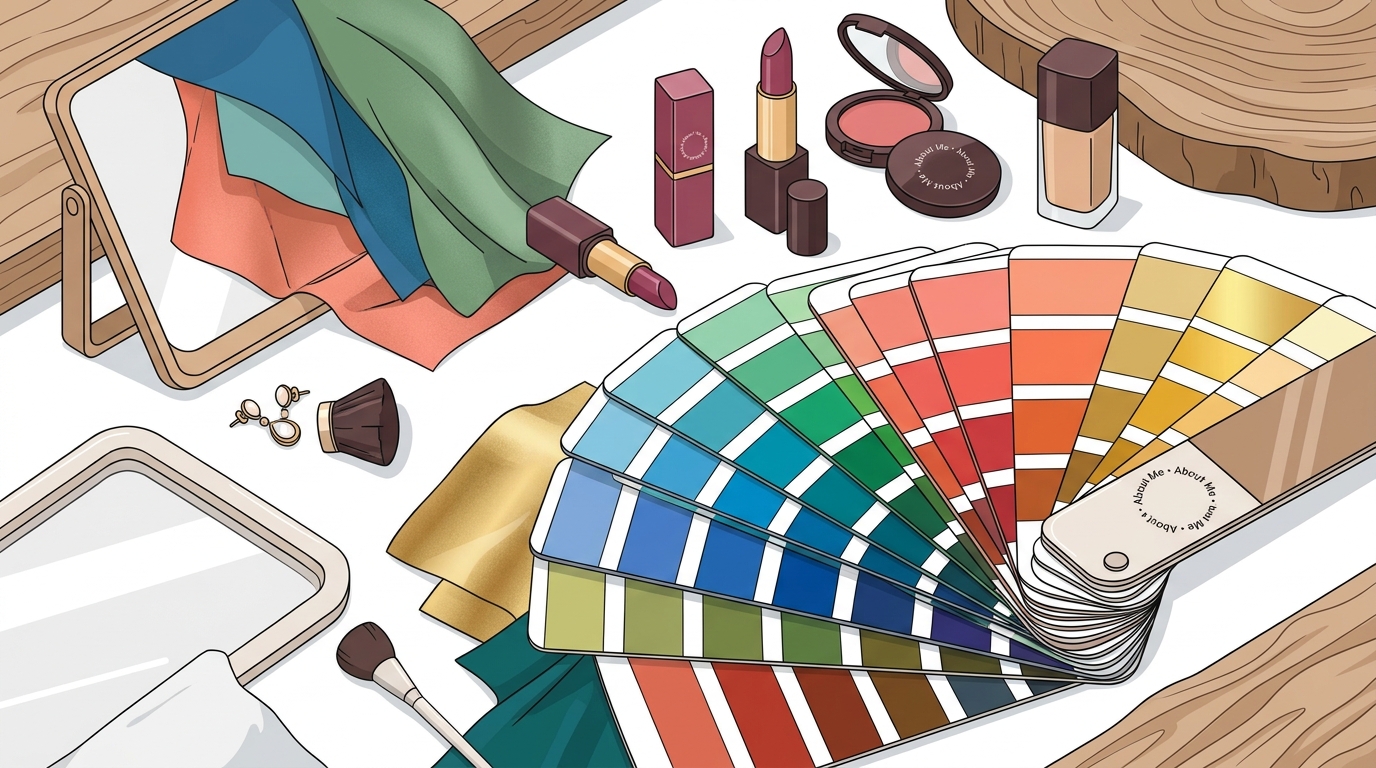
Professional draping involves holding various colored fabrics near your face to observe how they interact with your skin. This method is more accurate than online quizzes or vein tests, which are often unreliable due to lighting and skin thickness. At ATX Color Studio, we use advanced draping techniques to assess how your skin reacts to different color families. This systematic approach ensures that the colors we recommend truly support your natural radiance.
Eye Enhancement
Eye enhancement is the strategic use of color to make your eyes appear more vibrant and defined. The right colors can create a halo effect around your eyes, drawing attention to their shape and color. Conversely, clashing colors can make your eyes look washed out or less distinct. By aligning your clothing and makeup with your seasonal palette, you can naturally highlight your eyes without heavy contouring.
Matching Colors to Eye Depth
The depth of your eyes plays a significant role in which colors enhance them. Lighter eyes often benefit from soft, pastel, or bright colors that create contrast. Darker eyes may look more striking with deep, rich, or jewel-toned colors. Your seasonal palette accounts for this depth, ensuring that the colors you choose complement rather than compete with your eye color.
Using Jewelry and Accessories
Jewelry and accessories near the face can significantly impact how your eyes are perceived. The right metal, such as gold, silver, or rose gold, can reflect light in a way that brightens your eyes. For example, warm undertones often glow in yellow gold, while cool undertones may look better in silver or platinum. Incorporating these metals into your daily look can subtly enhance your eye color.
Wardrobe Coordination
Wardrobe coordination is the practice of building a cohesive closet using colors that work together and flatter your natural coloring. A well-coordinated wardrobe reduces decision fatigue and ensures that every outfit you wear supports your appearance. Instead of guessing which colors go together, you can rely on your seasonal palette as a reliable guide. This approach helps you create outfits that look polished and intentional.
Building a Capsule Wardrobe
A capsule wardrobe is a small collection of versatile clothing items that can be mixed and matched. When built around your seasonal palette, a capsule wardrobe becomes a powerful tool for daily radiance. You can focus on high-quality pieces in your best colors, reducing the need for excessive quantity. This method also makes shopping easier, as you know exactly which colors to look for.
Styling Neutrals and Accents
Neutrals form the foundation of most wardrobes, but not all neutrals flatter everyone. Your seasonal palette will identify which neutrals, such as black, white, gray, or beige, work best for you. Accents, or brighter colors, can be used to add interest to an outfit. By balancing your best neutrals with strategic accents, you can create outfits that are both stylish and flattering.
Makeup Shade Selection
Makeup shade selection is the process of choosing cosmetics that complement your natural skin tone and undertone. The right foundation, blush, and lipstick can enhance your features and create a cohesive look. When your makeup colors align with your seasonal palette, they blend seamlessly with your skin. This results in a more natural and radiant appearance, even with minimal product.
Finding Your Foundation and Blush
Foundation and blush are critical for creating a smooth, even complexion. Your seasonal palette will guide you toward the right undertone for these products. For instance, warm undertones may look best in foundations with yellow or peach bases, while cool undertones may prefer pink or red bases. Blush colors should also match your palette to avoid looking ashy or overly red.
Choosing Lip and Eye Colors
Lip and eye colors can make or break your overall look. Your seasonal palette will identify the specific shades that complement your features. For example, a True Spring may look best in bright, warm lip colors, while a Deep Winter may prefer bold, cool shades. By using these colors, you can create a makeup look that enhances your natural beauty.
Key Takeaways
- A personal color analysis palette identifies the specific hues that harmonize with your natural skin undertone, eye color, and hair depth.
- Complexion brightening involves selecting colors that reflect light onto the skin to reduce the appearance of shadows and dullness.
- Eye enhancement is the strategic use of color to make your eyes appear more vibrant and defined.
- Wardrobe coordination is the practice of building a cohesive closet using colors that work together and flatter your natural coloring.
- Makeup shade selection is the process of choosing cosmetics that complement your natural skin tone and undertone.
- Professional draping is more accurate than online quizzes or vein tests for determining your seasonal palette.
- Using your seasonal palette can reduce decision fatigue and make shopping easier.
- ATX Color Studio offers advanced 23-Season and 35-Palette color analysis to provide highly specific, individualized results.
Frequently Asked Questions
What is a personal color analysis palette?
A personal color analysis palette is a set of colors that have been determined to harmonize with your natural skin undertone, eye color, and hair depth. It serves as a guide for choosing clothing, makeup, and accessories that flatter your appearance.
How does color analysis help with complexion brightening?
Color analysis helps with complexion brightening by identifying the specific value and intensity of colors that complement your unique complexion. This allows you to choose fabrics and accessories that create a natural glow.
Can I still wear colors outside my palette?
Yes, you can still wear colors outside your palette. Your seasonal palette is a guide, not a list of rigid rules. You can use styling techniques, such as adjusting your makeup or adding the right jewelry, to create more harmony when wearing colors outside your palette.
What is the difference between 23-Season and 35-Palette color analysis?
The 23-Season and 35-Palette systems are advanced color analysis methods that provide more specific results than the traditional four-season system. They account for subtle differences in undertone, value, and intensity, allowing for highly individualized recommendations.
How do I choose the right jewelry metals for my undertone?
You can choose the right jewelry metals by understanding your undertone. Warm undertones look harmonious with warm metals like yellow gold and bronze, while cool undertones are enhanced by icy, sleek metal tones like silver and platinum. Neutral undertones can wear both warm and cool metals.
Does color analysis guarantee that I will look younger or more attractive?
No, color analysis does not guarantee that you will look younger or more attractive. It is a personalized image and style service that provides guidance based on professional visual assessment and color theory. Individual preferences, lighting, and other factors may affect how colors appear.
Where can I get a professional color analysis in Austin?
You can get a professional color analysis in Austin at ATX Color Studio. We offer in-person, virtual, and group color analysis services using advanced 23-Season and 35-Palette systems.
Conclusion
A personal color analysis palette is a powerful tool for looking more radiant daily. By understanding how colors interact with your natural features, you can make informed choices about your wardrobe, makeup, and accessories. This guide has covered the key aspects of complexion brightening, eye enhancement, wardrobe coordination, and makeup shade selection. For a personalized and accurate analysis, consider booking a session with a professional. Contact ATX Color Studio to learn more about our services and schedule your appointment.