
23-Season vs. Four-Season Color Analysis: The Complete 2026 Guide
23-season color analysis differentiates itself from the traditional four-season model by evaluating three distinct dimensions: undertone, value, and intensity. This advanced approach creates 23 unique seasonal profiles rather than just four broad categories. This guide covers how to choose a qualified analyst, verify credentials, understand the process, and navigate pricing and local options in Austin.
How to Choose a Qualified Analyst
Choosing the right color analyst is the most critical step in ensuring an accurate result. The primary differentiator is the depth of training and the specific system used. A traditional four-season analyst may only be trained in the basic Spring, Summer, Autumn, and Winter categories. In contrast, a 23-season analyst has undergone advanced training to distinguish between subtle variations like Light Spring, Soft Spring, and True Spring.
When evaluating a provider, look for specific terminology in their service descriptions. If a studio mentions "undertone," "value," and "intensity" as separate assessment criteria, they are likely using a modern, multi-dimensional system. ATX Color Studio, for example, utilizes a 23-Season Color Analysis system alongside an advanced 35-Palette System. This level of specificity allows for a much more precise match to your natural coloring than a broad seasonal label can provide.
Training Depth Matters
Not all training is created equal. Some analysts complete a weekend workshop, while others undergo multi-day intensive master training. A master-trained analyst has typically analyzed a significantly higher volume of clients, which refines their visual acuity. When browsing a studio's website, check their "About" page for details on their training history and the number of clients they have analyzed.
What to Ask Before Booking
You should also ask about the deliverables. What will you receive at the end of the session? A high-quality analysis provides a physical swatch book, a digital palette, and specific recommendations for makeup, hair, and clothing. Asking these questions helps you understand the value you are receiving and ensures the service aligns with your goals.
How to Verify Credentials
Verifying an analyst's credentials is essential in an industry that lacks strict regulatory standards. While there is no single government-issued license for color analysis, reputable analysts often hold certifications from recognized training programs. You can verify these by asking for the name of the training program and checking their website for testimonials or a portfolio of past work.
Look for transparency in their policies. A professional studio will have clear cancellation, refund, and preparation policies. For instance, ATX Color Studio provides detailed information on their cancellation and rescheduling policy and their color analysis and beauty disclaimer. These documents demonstrate a commitment to professional standards and client protection.
How the Analysis Works
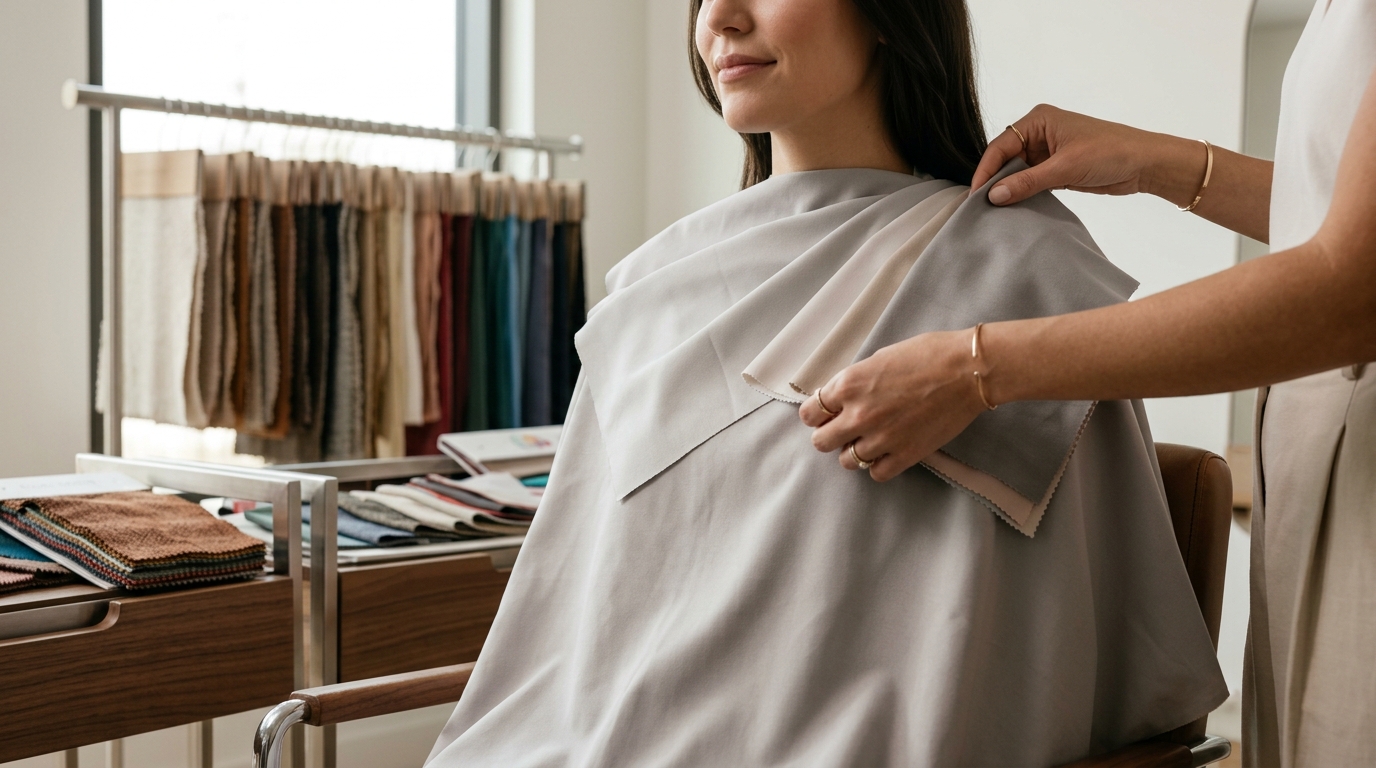
The process of a professional color analysis typically follows a structured sequence. It begins with a consultation where the analyst reviews your natural coloring, current hair color, and any cosmetic procedures. You will then be draped with a series of color swatches placed near your face. The analyst observes how these colors interact with your skin, eyes, and hair in real-time.
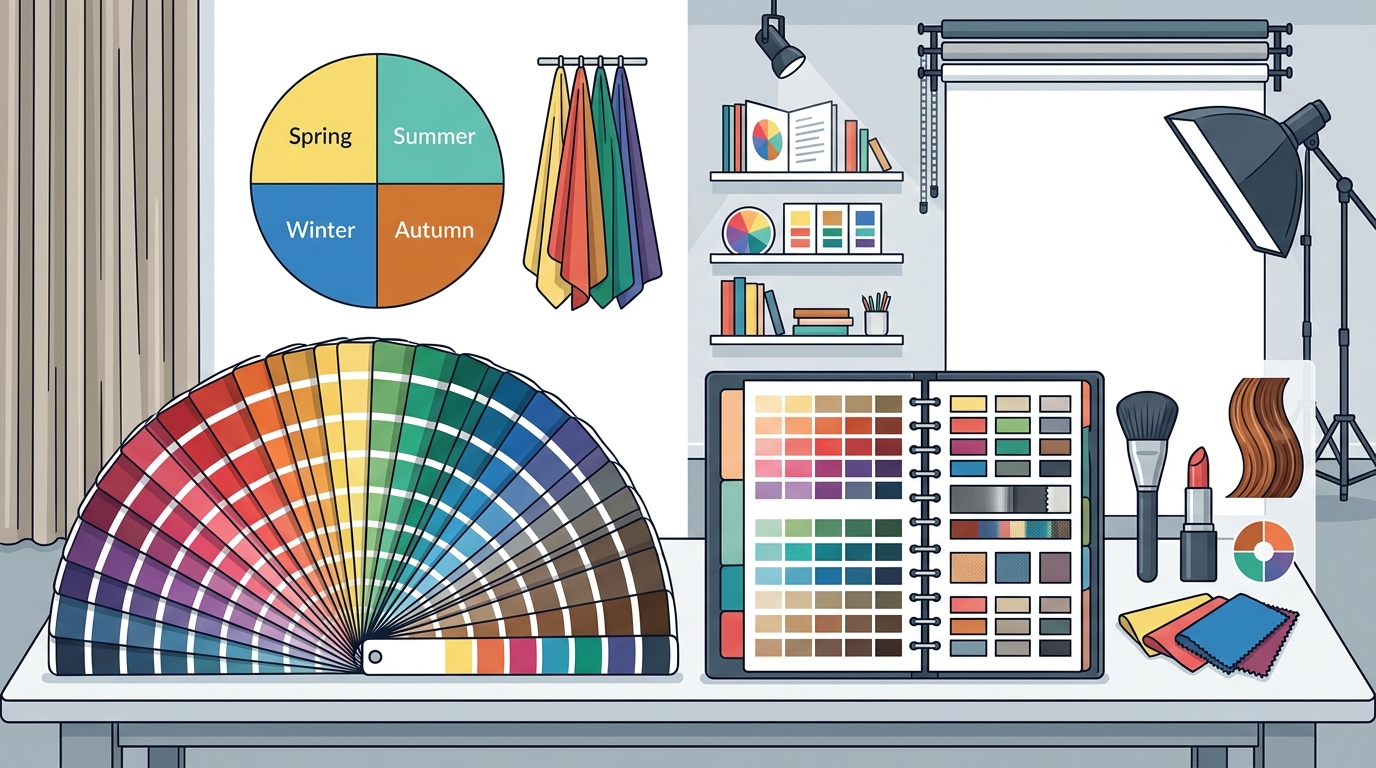
In a 23-season analysis, the draping process is more extensive. The analyst tests colors across the three dimensions of undertone (warm, cool, neutral), value (light, medium, deep), and intensity (soft, bright, clear). This systematic comparison allows the analyst to pinpoint your specific season with high accuracy. The session usually concludes with a review of your results and a discussion of how to apply your palette to your wardrobe and beauty routine.
Preparation is Key
Accurate results depend on proper preparation. Clients are generally required to arrive without makeup, tinted moisturizer, or self-tanner. Colored contact lenses should also be removed. These factors can significantly alter how your skin tone appears, leading to an inaccurate analysis. Following the preparation instructions provided by the studio is non-negotiable for a reliable result.
What It Costs
The cost of color analysis varies based on the complexity of the system used and the format of the session. A basic four-season analysis is typically less expensive than a 23-season analysis because it requires less time and specialized training. However, the price difference reflects the level of detail and precision you receive. In-person sessions are generally more costly than virtual sessions due to the use of physical drapes and studio space.
When comparing prices, consider the value of the deliverables. A higher-priced session that includes a physical swatch book, app access, and a follow-up call may offer better long-term value than a cheaper session that provides only a basic seasonal label. Always review the specific inclusions listed on the service page before booking.
Common Mistakes to Avoid
One of the most common mistakes is relying on online quizzes or vein tests to determine your season. These methods are unreliable because they do not account for the full range of your coloring. Another mistake is ignoring preparation instructions. Arriving with makeup or a recent spray tan can lead to a misdiagnosis of your undertone.
Additionally, some clients expect color analysis to be a rigid set of rules. In reality, it is a guide. You can still wear colors outside your palette if you style them correctly. Understanding that your palette is a tool for enhancement rather than a restriction helps you get the most out of your analysis.
23-Season vs. Four-Season Comparison
The table below summarizes the key differences between the traditional four-season system and the advanced 23-season system.
| Feature | Four-Season System | 23-Season System |
|---|---|---|
| Number of Categories | 4 (Spring, Summer, Autumn, Winter) | 23 (e.g., Light Spring, Soft Spring, True Spring) |
| Assessment Dimensions | Primarily Undertone | Undertone, Value, and Intensity |
| Specificity | Broad and General | Highly Specific and Individualized |
| Training Required | Basic | Advanced / Master Level |
| Best For | General Awareness | Precise Wardrobe and Beauty Guidance |
For Specific Situations
The choice between a four-season and 23-season analysis may depend on your specific situation. If you are new to color analysis and just want a general idea of your undertone, a four-season analysis might be sufficient. However, if you are struggling with specific wardrobe choices or want precise makeup and hair color recommendations, a 23-season analysis is the better choice.
For clients who are not located in Austin, virtual color analysis is a viable alternative. ATX Color Studio offers virtual color analysis for clients worldwide. This service involves submitting photographs for review and receiving a personalized analysis remotely. It is a convenient option for those who cannot travel to a physical studio.
Rules and Client Protections
Understanding the rules and protections in place helps you navigate your appointment with confidence. Most professional studios have clear policies regarding cancellations and rescheduling. For example, ATX Color Studio requires at least 48 hours' notice for changes to standard appointments. This policy ensures that the studio can manage its schedule effectively.
It is also important to understand the limitations of color analysis. As stated in the color analysis and beauty disclaimer, color analysis is not a medical or scientific test. It is based on professional visual observation and judgment. Different analysts may reach slightly different conclusions based on their training and the specific system they use. This is a normal part of the professional interpretation process.
Local Specifics in Austin
Austin, Texas, is home to several color analysis studios, each with its own approach. When choosing a local provider, consider their location and the specific system they use. ATX Color Studio is located in Bee Cave, Texas, which is a short drive from downtown Austin. The studio offers both in-person and virtual services, making it accessible to a wide range of clients.
Local studios may also offer group experiences or events. ATX Color Studio provides color analysis events for small groups, which can be a fun and affordable way to experience the service with friends or family. These group sessions often include a physical swatch book and app access for each participant.
Timing Your Analysis
The timing of your color analysis can impact the accuracy of the results. It is best to schedule your appointment when your skin tone is at its most natural. Avoid scheduling immediately after a vacation where you may have been exposed to significant sun. Similarly, if you have recently changed your hair color, wait until your roots have grown out or until you have settled into your new color before getting analyzed.
Seasonal changes in skin tone can also affect your results. If you are significantly lighter in the winter and darker in the summer, consider how this might impact your palette. A professional analyst will take these factors into account and provide recommendations that work across different seasons.
Results Over Time
The benefits of a color analysis are long-lasting. Once you know your palette, you can use it as a reference for all future shopping and beauty decisions. This can save you time and money by reducing the number of returns and purchases that do not work for you. Over time, you will develop a more cohesive and intentional wardrobe that reflects your natural coloring.
Many clients find that their confidence in their appearance improves as they become more familiar with their palette. They no longer feel overwhelmed by the sheer number of colors available in stores. Instead, they have a clear guide to help them make choices that enhance their natural features. This sense of clarity and control is one of the most valuable outcomes of a professional color analysis.
Key Takeaways
- 23-season color analysis is more specific than the traditional four-season model, assessing undertone, value, and intensity.
- Always verify an analyst's training and the specific system they use before booking.
- Proper preparation, including arriving without makeup or self-tanner, is essential for accurate results.
- Virtual color analysis is a viable option for clients who cannot travel to a physical studio.
- Color analysis is a guide, not a set of rigid rules. You can still wear colors outside your palette with proper styling.
- Local studios in Austin offer a range of services, from individual sessions to group events.
- The benefits of a color analysis are long-lasting, helping you make more confident and intentional style choices.
Frequently Asked Questions
What is the main difference between 23-season and four-season color analysis?
The main difference is specificity. The four-season system categorizes you into one of four broad groups, while the 23-season system evaluates three dimensions (undertone, value, and intensity) to create a much more precise profile.
Do I need to remove my makeup for a color analysis?
Yes, you should arrive without makeup, tinted moisturizer, or self-tanner. These products can alter how your skin tone appears and lead to an inaccurate analysis.
Can I get a color analysis if I live outside of Austin?
Yes, many studios, including ATX Color Studio, offer virtual color analysis for clients worldwide. This involves submitting photographs for review and receiving a personalized analysis remotely.
How long does a color analysis session take?
A typical in-person session takes about 60 to 90 minutes, depending on the complexity of the system used and the amount of time spent reviewing your results.
Is color analysis a scientific test?
No, color analysis is not a medical or scientific test. It is based on professional visual observation and judgment. Different analysts may reach slightly different conclusions based on their training and the specific system they use.
What do I receive after a color analysis?
You typically receive a physical swatch book, a digital palette, and specific recommendations for makeup, hair, and clothing. Some studios also provide app access and follow-up calls.
Conclusion
Choosing between a 23-season and a four-season color analysis depends on your desire for precision and detail. The 23-season system offers a more nuanced and individualized approach, making it the preferred choice for those seeking specific wardrobe and beauty guidance. By verifying credentials, preparing properly, and understanding the process, you can ensure that your color analysis provides accurate and useful results. ATX Color Studio offers a premium, expert-led experience that combines advanced training with a personalized client focus, making it an excellent choice for those seeking a high-quality color analysis in Austin or virtually.