

Color seasons are a classification system that groups individuals based on their natural skin, hair, and eye coloring. This system determines which shades flatter you most by matching your personal palette to your unique undertone, depth, and intensity. ATX Color Studio uses advanced 23-Season and 35-Palette systems to provide precise, individualized results that go beyond basic four-season models. By understanding these categories, you can build a wardrobe that harmonizes with your natural features.
What Are Color Seasons?
Color season is a framework that categorizes human coloring into distinct groups. Traditional systems often use four seasons: Spring, Summer, Autumn, and Winter. However, modern analysis recognizes that human coloring exists on a spectrum rather than in rigid boxes. ATX Color Studio utilizes a 23-Season system to capture these nuances accurately. This approach allows for a more detailed assessment of your specific color characteristics.
The Evolution of Seasonal Analysis
Early color analysis methods were limited to broad categories. As the field evolved, analysts began identifying sub-seasons to address the limitations of the four-season model. For example, a person might be a Light Spring rather than just a Spring. This distinction changes the recommended shades significantly. The 23-Season system reflects this evolution by offering more granular options for clients.
The Core Attributes of Your Palette
Each color season is defined by three primary attributes: undertone, value, and intensity. Undertone is the subtle hue beneath the surface of your skin, which can be warm, cool, or neutral. Value refers to the lightness or darkness of your coloring. Intensity describes the saturation or brightness of your features. These attributes work together to determine which colors create harmony with your natural appearance.
Undertone and Temperature
Undertone is often the most critical factor in determining your season. Warm undertones have yellow, peach, or golden hints. Cool undertones have pink, blue, or red hints. Neutral undertones are a mix of both. Knowing your undertone helps you select metals and shades that complement rather than clash with your skin. For instance, warm undertones often glow in yellow gold, while cool undertones shine in silver.
How Seasons Determine Flattering Shades
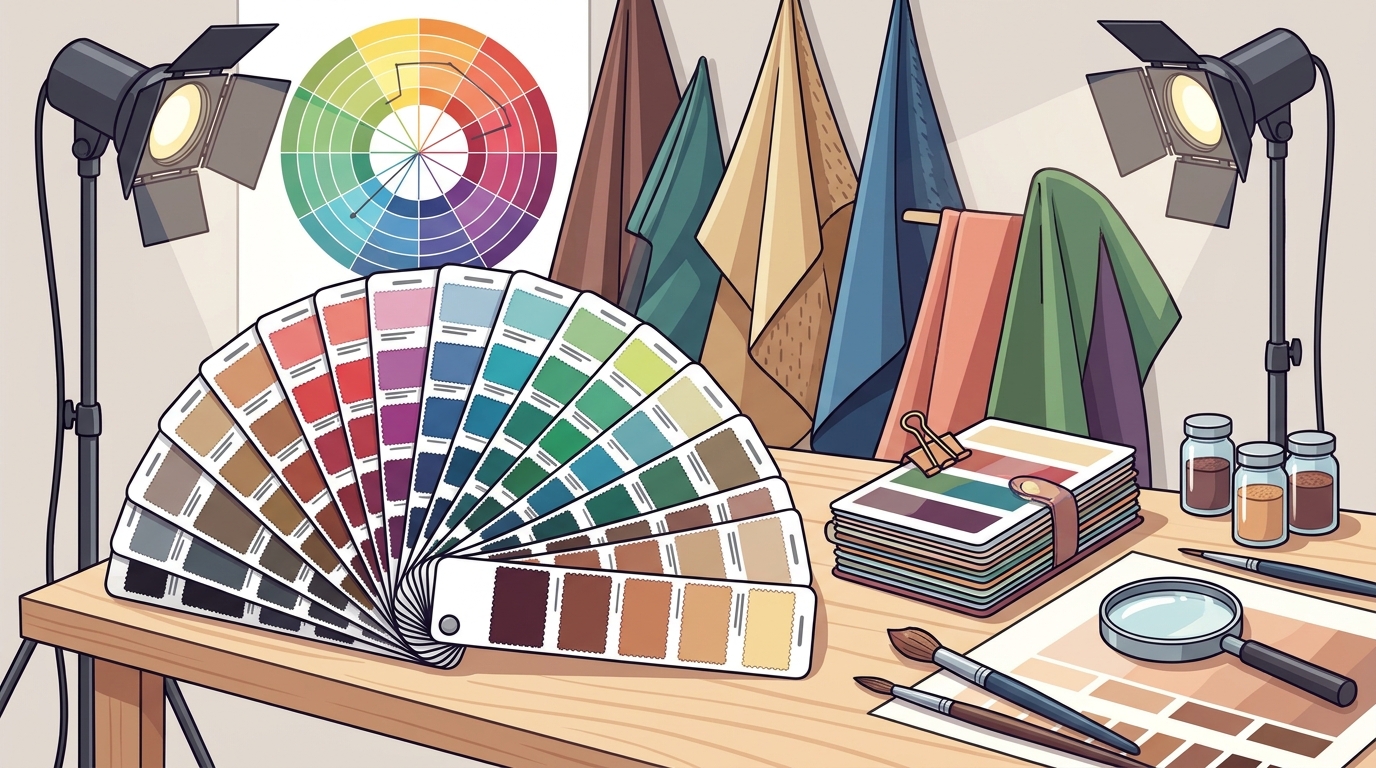
Your season dictates the specific range of colors that will look most harmonious on you. If you are a Deep Winter, you likely have high contrast and deep coloring. This means bold, cool, and dark shades will flatter you most. Conversely, a Light Summer has softer, lighter coloring. Pastel and muted cool shades will be more flattering for this season. The goal is to match the depth and intensity of the clothing to your natural features.
Matching Depth and Contrast
Depth refers to how light or dark your overall coloring is. A person with deep skin and dark hair will look best in deep colors. A person with light skin and light hair will look best in light colors. Contrast is the difference between your features. High contrast individuals can handle bold color combinations. Low contrast individuals look better with softer, more blended palettes. Understanding these dynamics helps you choose shades that enhance your natural look.
Beyond the Basic Four Seasons
The traditional four-season model is often too broad for accurate analysis. Many people fall between seasons, making it difficult to choose the right shades. The 23-Season system addresses this by including sub-seasons like Bright Spring or Soft Autumn. This level of detail ensures that your palette is tailored to your specific coloring. ATX Color Studio employs this advanced system to provide clients with a highly specific and actionable color guide.
The 35-Palette System
For even greater precision, some analysts use a 35-Palette system. This system breaks down the 23 seasons into even more detailed categories. It allows for a nuanced understanding of how different shades interact with your coloring. This advanced approach is particularly useful for clients who find the standard seasonal palettes too limiting. It provides a comprehensive view of your best colors.
Applying Your Season to Your Wardrobe
Once you know your season, you can use it to guide your shopping and styling decisions. Start by identifying your best colors and incorporating them into your wardrobe. You do not need to discard items that are outside your palette. Instead, use styling techniques to make them work. For example, if black is not in your palette, wear it below the waist. This reduces the contrast near your face and creates a more harmonious look.
Makeup and Hair Color
Your season also influences your makeup and hair color choices. Warm seasons often look best with warm-toned makeup and hair. Cool seasons shine with cool-toned products. Using the right shades can enhance your natural features and create a polished appearance. This is where professional analysis becomes invaluable. It provides you with a clear guide for making these decisions.
Key Takeaways
- Color seasons are a classification system based on undertone, value, and intensity.
- The 23-Season system offers more precision than the traditional four-season model.
- Undertone is the primary determinant of whether you look best in warm or cool shades.
- Depth and contrast help you choose the right lightness and saturation for your wardrobe.
- Advanced systems like the 35-Palette provide even more detailed and personalized results.
- You can still wear colors outside your palette by using strategic placement and styling.
- Professional analysis ensures that your palette is tailored to your specific coloring.
Frequently Asked Questions
What is the difference between undertone and skin tone?
Undertone is the subtle hue beneath the surface of your skin, while skin tone refers to the overall lightness or darkness of your complexion. You can have a fair skin tone with a warm undertone or a deep skin tone with a cool undertone. Undertone is the key factor in determining your color season.
Can my color season change over time?
Your natural undertone does not change, but your hair and skin color can change due to aging, sun exposure, or cosmetic choices. These changes can affect how certain colors look on you. However, your core season remains the same. Professional analysis can help you adjust your palette as your coloring evolves.
Is the 23-Season system better than the 4-Season system?
The 23-Season system is more detailed and precise than the 4-Season system. It accounts for the nuances in human coloring that the basic model misses. This makes it a better tool for creating a personalized and accurate color palette. It is particularly useful for individuals who fall between seasons.
Do I have to throw away clothes that are not in my palette?
No, you do not have to throw away clothes that are not in your palette. You can still wear them by using styling techniques to create harmony. For example, you can place colors outside your palette away from your face. This allows you to enjoy your existing wardrobe while incorporating your best colors.
How does virtual color analysis work?
Virtual color analysis involves submitting photographs for professional review. The analyst assesses your coloring based on the images and provides a personalized palette. This method is convenient for clients who cannot visit the studio in person. It requires high-quality photos to ensure accurate results.
What is the 35-Palette system?
The 35-Palette system is an advanced extension of the 23-Season model. It provides even more granular categories for color analysis. This system allows for a highly specific and detailed assessment of your best colors. It is used by analysts who want to offer the most precise results possible.
Conclusion
Understanding color seasons is the first step toward building a wardrobe that works for you. By knowing your undertone, value, and intensity, you can make informed choices about the shades you wear. ATX Color Studio offers expert analysis using advanced 23-Season and 35-Palette systems to provide you with a precise and personalized color guide. Whether you choose an in-person session in Austin or a virtual consultation, you will gain the tools to dress with confidence. to schedule your analysis and discover your true colors.