
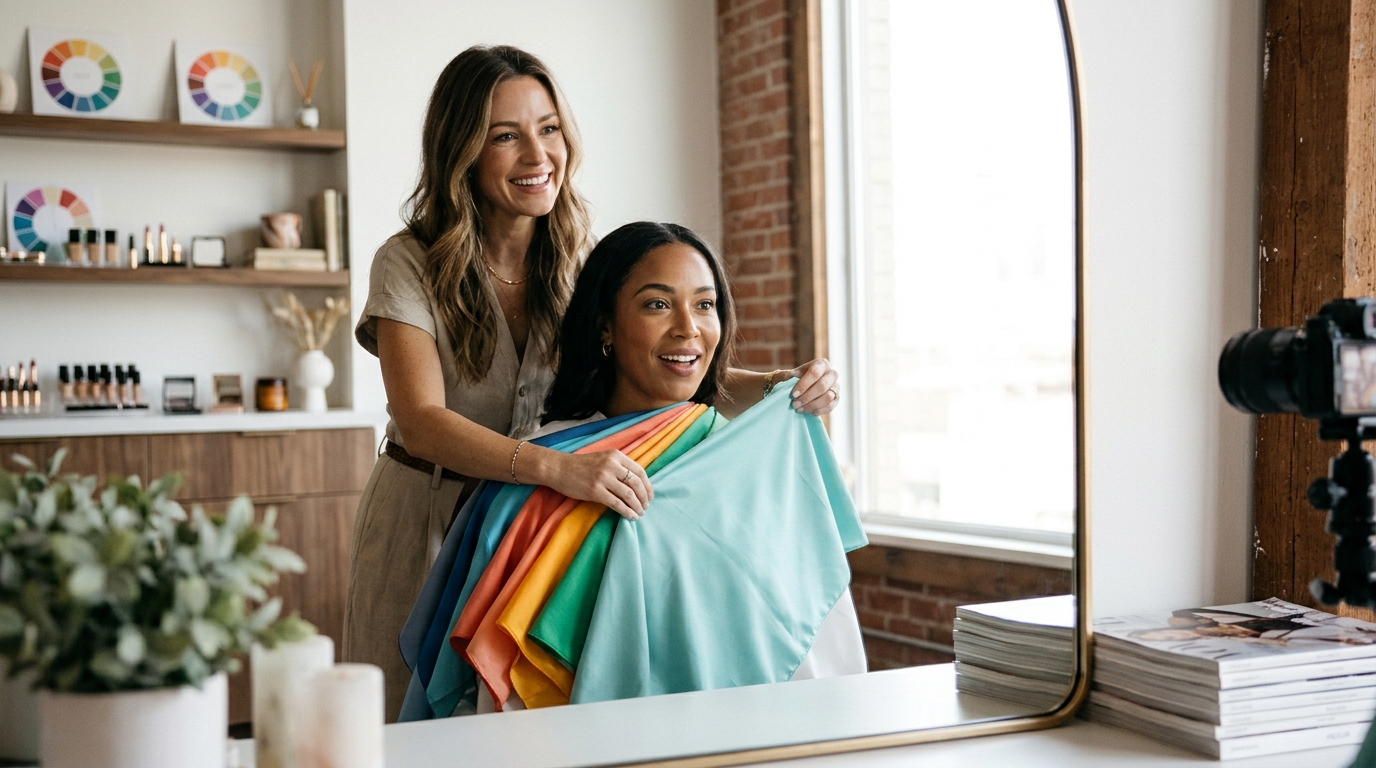
Colors that brighten your complexion are those that harmonize with your natural undertone, reducing shadows and enhancing radiance. At ATX Color Studio, we use advanced draping to identify these specific hues. The right colors reflect light onto your face, creating a healthy, luminous appearance without the need for heavy makeup. This process is known as personal color analysis, which is a method of determining the most flattering colors for an individual's natural coloring.
The Science Behind Skin Radiance
Research indicates that skin color significantly influences how healthy and attractive a person appears. A study published in the International Journal of Primatology found that both men and women prefer a specific "golden glow" in facial skin. This preference is linked to perceived health and vitality. When colors clash with your natural skin tone, they can create shadows that make you look tired or dull. Conversely, harmonious colors reflect light evenly, enhancing your natural features.
Undertone is the subtle hue beneath the surface of your skin, which is distinct from your skin color. You can be fair, medium, or deep in complexion and still have any undertone. The three main categories are warm, cool, and neutral. Warm undertones have yellow, peach, or golden hints. Cool undertones have pink, blue, or red hints. Neutral undertones are a mix of both. Understanding this distinction is the first step to finding colors that make your skin glow.
Flattering Colors for Warm Undertones
If you have a warm undertone, your skin contains golden or peachy hues. These complexions look most vibrant when paired with warm, earthy, or bright colors. Colors that brighten your complexion in this category include coral, peach, warm reds, and golden yellows. These shades complement the natural warmth in your skin, creating a sunlit effect. Avoiding stark, icy colors can prevent a washed-out appearance.
For jewelry, warm metals like yellow gold, bronze, and copper enhance this glow. Gemstones such as citrine, amber, and emerald also pair well with warm undertones. At ATX Color Studio, we test these specific hues against your skin to see how they interact with your natural coloring. This ensures that the colors you choose actually support your unique features rather than competing with them.
Flattering Colors for Cool Undertones
When choosing jewelry, silver, platinum, and white gold are ideal for cool undertones. These metals reflect light in a way that complements pink and blue skin hints. Gemstones like sapphire, amethyst, and aquamarine also work well. The goal is to create harmony between your clothing, accessories, and skin. This cohesive look is what creates the perception of a healthy, glowing complexion.
Flattering Colors for Neutral Undertones
Neutral undertones are the most versatile, as they contain a mix of warm and cool hues. People with neutral undertones can often wear both warm and cool colors successfully. However, the best colors depend on your specific contrast and depth. Light neutral skin may pop more in silver and soft pastels. Medium to deep neutral skin often glows in soft golds and rich earth tones.
For neutral undertones, rose gold is often a flattering middle ground for jewelry. It works well for both warm and neutral skin. The key is to observe how different colors affect your skin in natural light. Some colors may make your skin look ashen, while others will make it look vibrant. A professional analysis can help you identify these specific shades with precision.
Common Myths About Brightening Colors
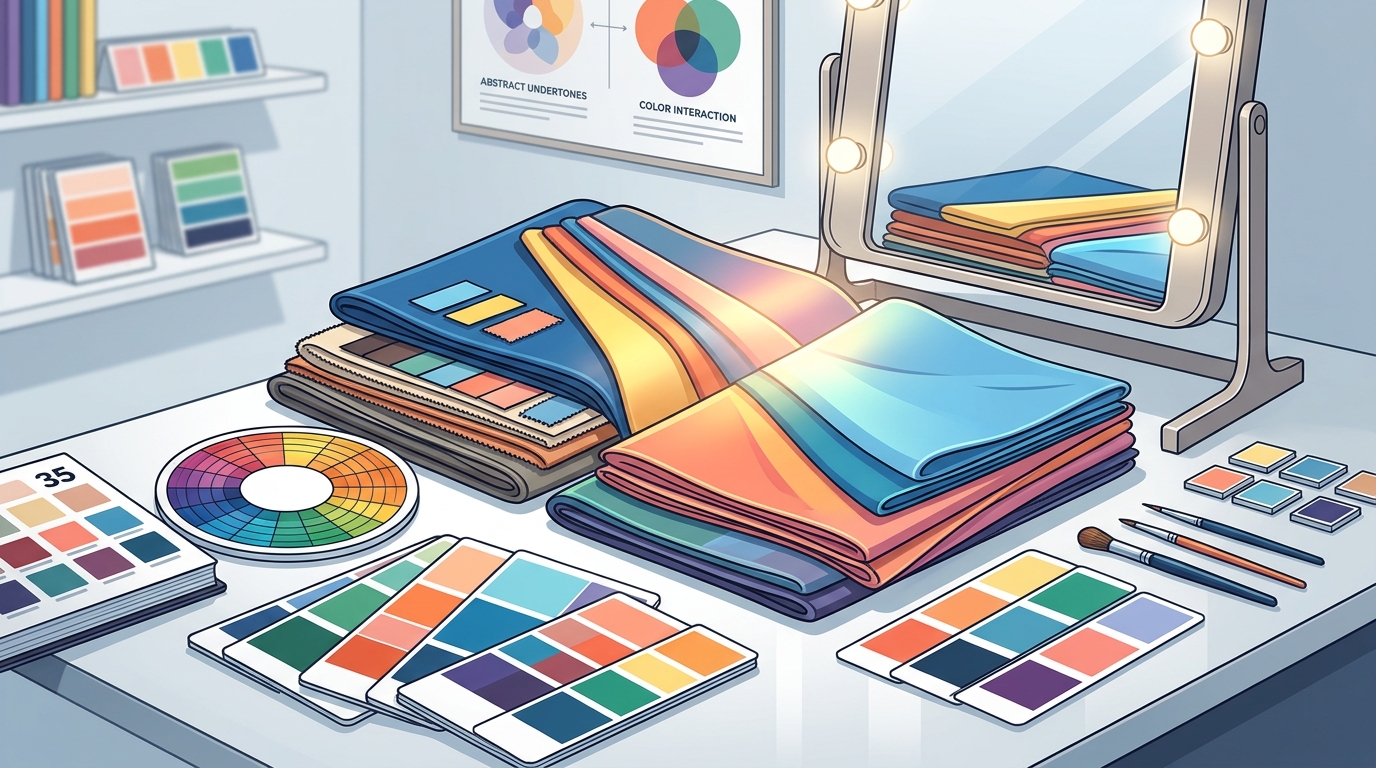
Many people believe they can determine their best colors by looking at their veins. This is a common myth. Vein color is unreliable because it depends on lighting, skin thickness, and temperature. Your undertone cannot be revealed by a single trick. It is shown through systematic color comparison using drapes. This method reveals how your skin reacts to warm, cool, soft, and bright colors in real time.
Another myth is that color analysis is about your hair and eye color. Your season is not decided by surface-level coloring. It goes deeper, based on undertone, value, and intensity. Two women can both have blonde hair and blue eyes and be totally different seasons. This is why professional draping is essential. You cannot guess your season based on appearance alone. At ATX Color Studio, we use a 23-season system to account for these subtle differences.
Key Takeaways
- Colors that brighten your complexion are those that harmonize with your natural undertone.
- Warm undertones glow in golden, peach, and coral shades.
- Cool undertones are enhanced by icy, jewel-toned, and crisp colors.
- Neutral undertones can wear both warm and cool colors, depending on contrast.
- Vein color is not a reliable way to determine your undertone.
- Professional draping provides a more accurate assessment than online quizzes.
- Harmonious colors reflect light evenly, creating a healthy, luminous appearance.
Frequently Asked Questions
What is the best color to brighten my face?
The best color depends on your undertone. Warm undertones look best in golden and peachy shades. Cool undertones look best in icy and jewel-toned shades. Neutral undertones can wear a mix of both.
How do I know if I have a warm or cool undertone?
You can observe how your skin reacts to different colors in natural light. However, professional draping is the most accurate method. It involves testing specific colors against your skin to see which ones create harmony.
Can I wear black if it is not in my palette?
Yes, you can still wear black. The key is to keep it away from your face. Wear black below the waist and pair it with a top in one of your best seasonal colors.
Does color analysis guarantee I will look younger?
Color analysis does not guarantee that you will look younger. It helps you find colors that harmonize with your natural coloring, which can enhance your overall appearance and radiance.
What is the difference between skin color and undertone?
Skin color is the visible shade of your skin, which can be fair, medium, or deep. Undertone is the subtle hue beneath the surface, which can be warm, cool, or neutral.
How long does a color analysis session take?
A full individual analysis generally takes at least 90 minutes. This allows time for careful draping, discussion of results, and review of your most flattering colors.
Find Your True Colors
Discovering the colors that brighten your complexion is a personal journey. It requires understanding your unique undertone and how different hues interact with your natural coloring. At ATX Color Studio, we provide expert-led color analysis to help you find your most flattering palette. Whether you prefer in-person or virtual sessions, our goal is to give you practical tools you can use every day. to book your consultation and start wearing your true colors.