
How Virtual Personal Color Analysis Works: The Complete 2026 Guide
Virtual personal color analysis is a remote styling service where a professional evaluates high-resolution photographs to determine your optimal color palette. This guide explains the exact digital draping techniques, lighting requirements, and analysis workflows used by ATX Color Studio to deliver accurate results from anywhere in the world.
Digital Draping Technique
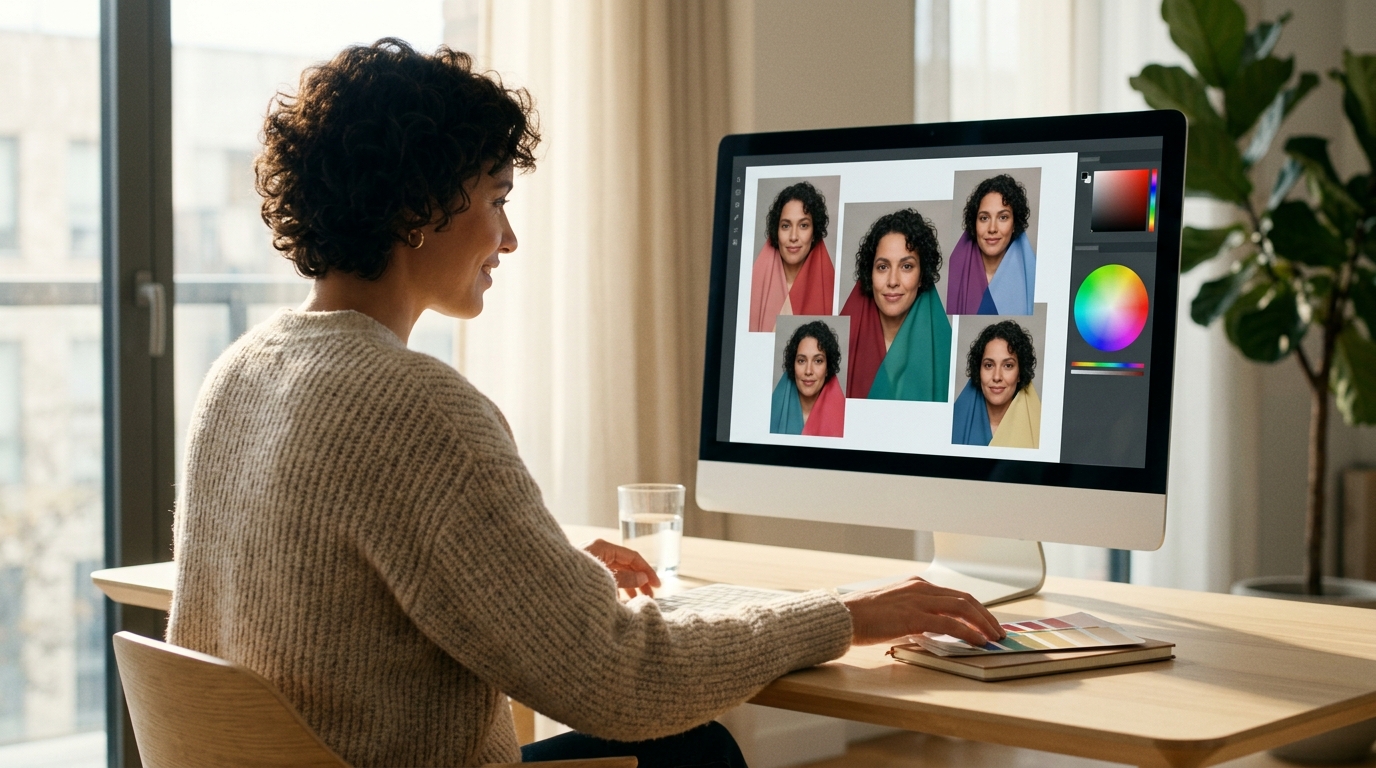
Digital draping is the process of overlaying color swatches onto a client's photograph to observe how specific hues interact with their natural complexion. Unlike physical draping, which requires the client to be present in a studio, digital draping relies on precise image editing and color theory. The analyst adjusts the saturation, value, and chroma of the swatches to match the lighting conditions of the original photo. This technique allows for a systematic comparison of warm, cool, light, and deep colors against the client's skin, hair, and eyes.
The Role of Undertone
Undertone is the subtle hue beneath the surface of the skin that remains consistent regardless of external factors like tanning or makeup. In digital draping, the analyst looks for how the skin reacts to different color families. If a warm swatch makes the skin appear dull or ashy, the client likely has a cool undertone. If a cool swatch creates a gray cast, the client likely has a warm undertone. This visual reaction is the primary indicator used to determine the seasonal direction.
Value and Intensity Assessment
Value refers to the lightness or darkness of a color, while intensity refers to its brightness or softness. Digital draping allows the analyst to test these variables independently. For example, a client with high contrast features may look best with deep, intense colors, while a client with low contrast features may be flattered by soft, muted tones. By isolating these variables in the digital environment, the analyst can pinpoint the exact combination that harmonizes with the client's natural coloring.
Photography Standards and Lighting
The accuracy of a virtual color analysis depends entirely on the quality of the submitted photographs. Poor lighting, camera filters, or image compression can distort skin tones and lead to inaccurate results. ATX Color Studio provides specific guidelines to ensure that the photographs submitted are suitable for professional analysis. Clients are required to submit images that are unedited, unfiltered, and taken in natural, diffused light.
Lighting Requirements
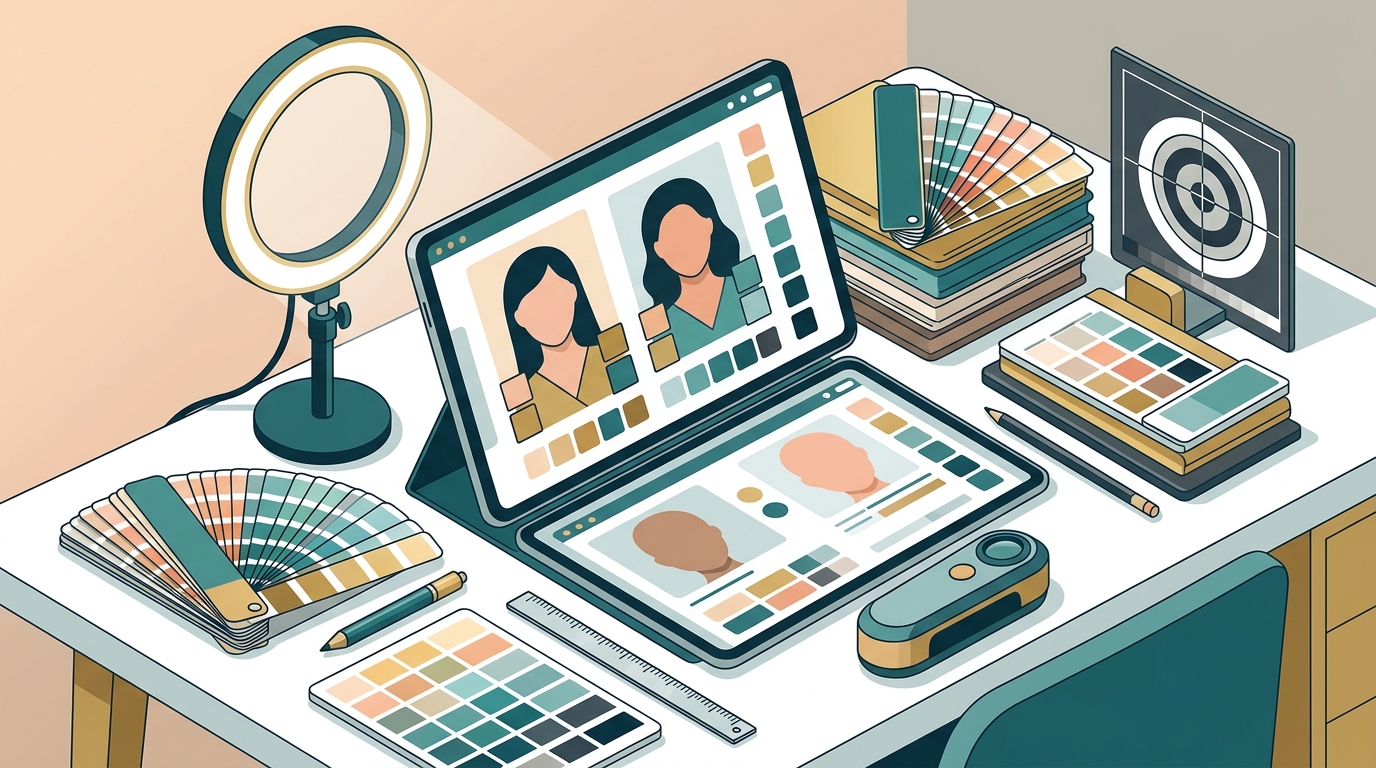
Natural light is the gold standard for color analysis photography. Clients should stand near a large window, facing the light source, to ensure even illumination across the face. Avoid direct sunlight, which creates harsh shadows and alters color perception. Also avoid artificial lighting, such as incandescent or fluorescent bulbs, which can cast yellow or green tints on the skin. The goal is to capture the truest representation of the client's natural coloring.
Camera and Editing Restrictions
Smartphone cameras often apply automatic white balance and skin-smoothing algorithms that can mask true undertones. Clients should use the highest resolution setting available and disable any beauty filters or editing apps. The photographs must be raw files, not processed through social media platforms or messaging apps, which compress images and reduce color fidelity. These restrictions are critical because even minor alterations can change the perceived undertone and value of the skin.
The Analysis Workflow
The virtual analysis process follows a structured workflow designed to minimize human error and maximize consistency. It begins with a review of the submitted photographs to ensure they meet the technical standards. Once approved, the analyst begins the draping process, systematically testing different color families. The workflow is iterative, meaning the analyst may adjust the swatches and re-evaluate the results multiple times to confirm the findings.
Initial Review and Approval
Before any analysis begins, the analyst reviews the photographs for clarity, lighting, and completeness. If the images do not meet the required standards, the client will be asked to resubmit new photographs. This step is crucial because analyzing poor-quality images can lead to incorrect conclusions. The review process ensures that the analyst is working with a reliable baseline for comparison.
Systematic Draping and Comparison
Once the photographs are approved, the analyst begins the draping process. This involves placing a series of color swatches near the client's face in the digital image. The analyst observes how each swatch affects the appearance of the skin, eyes, and hair. Colors that create a harmonious, radiant effect are noted, while colors that create a dull or ashy effect are discarded. This process is repeated for all major color families until a clear pattern emerges.
Final Determination and Palette Creation
After the draping process is complete, the analyst synthesizes the findings to determine the client's seasonal color direction. This involves identifying the client's undertone, value, and intensity. Based on these factors, the analyst creates a personalized color palette that includes the most flattering colors for clothing, makeup, and hair. The palette is designed to be practical and easy to use, providing clients with a clear guide for their daily styling decisions.
Client Deliverables and Tools
Upon completion of the analysis, clients receive a comprehensive set of deliverables designed to help them implement their new palette. These materials are tailored to the client's specific results and provide actionable guidance for shopping and styling. The deliverables are designed to be user-friendly and accessible, ensuring that clients can easily integrate their new colors into their wardrobe and beauty routine.
Personalized Color Palette
The core deliverable is a personalized color palette that lists the most flattering colors for the client. This palette is organized by category, including clothing, accessories, makeup, and hair. Each color is accompanied by a description of how to use it effectively. For example, the palette may recommend wearing a specific shade of blue near the face to enhance radiance, while suggesting a different shade for lower-body garments. This level of detail helps clients make informed decisions when shopping.
Shopping and Styling Guides
In addition to the palette, clients receive practical guides that explain how to shop for their colors. These guides include tips on identifying the right shades in stores, understanding fabric colors, and coordinating outfits. The guides also address common challenges, such as how to wear black or white if they are not in the client's palette. By providing these resources, ATX Color Studio ensures that clients have the tools they need to use their palette confidently in real-world situations.
Virtual vs. In-Person Comparison
Choosing between virtual and in-person color analysis depends on individual circumstances and preferences. Both methods have their advantages and limitations. Understanding these differences can help clients make an informed decision about which format is right for them. The table below summarizes the key differences between the two approaches.
| Feature | Virtual Analysis | In-Person Analysis |
|---|---|---|
| Location | Remote, worldwide | Studio in Bee Cave, Texas |
| Method | Digital draping on photos | Physical draping with fabric |
| Convenience | High, no travel required | Lower, requires travel |
| Accuracy Factors | Depends on photo quality | Direct visual observation |
| Deliverables | Digital palette and guides | Physical swatch book and app access |
Virtual analysis is ideal for clients who live far from the studio or prefer the convenience of a remote session. It is also a good option for those who are comfortable with technology and can follow photography guidelines carefully. In-person analysis, on the other hand, offers the advantage of direct visual observation, which can be more accurate for some clients. It also allows for a more interactive experience, where the analyst can provide immediate feedback and answer questions in real time.
Key Takeaways
- Virtual color analysis uses digital draping to evaluate how colors interact with your natural complexion.
- Photography quality is critical; use natural light and avoid filters or editing.
- The analysis workflow involves a systematic review of photographs and iterative draping.
- Clients receive a personalized palette and practical shopping guides.
- ATX Color Studio uses advanced 23-Season and 35-Palette systems for precise results.
- Results are based on professional visual assessment and color theory, not strict rules.
Frequently Asked Questions
How accurate is virtual color analysis compared to in-person?
Virtual color analysis can be highly accurate when high-quality photographs are provided. The accuracy depends on the lighting and image fidelity. In-person analysis offers direct visual observation, which may be preferred by some clients for its immediacy.
What kind of photographs do I need to submit?
You need to submit unedited, unfiltered photographs taken in natural, diffused light. The photos should be high-resolution and show your face clearly. Avoid using beauty filters or social media compression.
Can I do color analysis at home?
You can attempt to identify your colors at home, but it is difficult to be accurate without professional training. Online quizzes are often unreliable. A professional virtual analysis provides a more systematic and accurate assessment.
What if my photos are not good enough?
If your photos do not meet the required standards, the analyst will ask you to resubmit new photographs. This ensures that the analysis is based on reliable data. The review process is part of the workflow to maintain accuracy.
Do I need to remove makeup for the photos?
Yes, you should submit photographs without makeup, tinted moisturizer, or self-tanner. These products can alter the appearance of your skin and affect the accuracy of the analysis. The goal is to see your natural coloring.
What systems does ATX Color Studio use?
ATX Color Studio uses the 23-Season Color Analysis system and the advanced 35-Palette System. These systems provide a more detailed and nuanced assessment than the traditional four-season method.
Is virtual analysis available worldwide?
Yes, virtual color analysis is available to clients worldwide. You can book a session from any location, as long as you can provide the required photographs. This makes it a convenient option for those who cannot travel to the studio.
Conclusion
Virtual personal color analysis is a powerful tool for discovering your most flattering colors from the comfort of your home. By understanding the digital draping technique, photography standards, and analysis workflow, you can appreciate the precision and care involved in the process. ATX Color Studio offers a premium, expert-led experience that combines advanced color systems with personalized guidance. Whether you choose virtual or in-person analysis, the goal is to provide you with the tools to use your colors confidently. To begin your journey, book your virtual color analysis today.