
23-Season Color Analysis vs. Four-Season: The 2026 Ultimate Guide
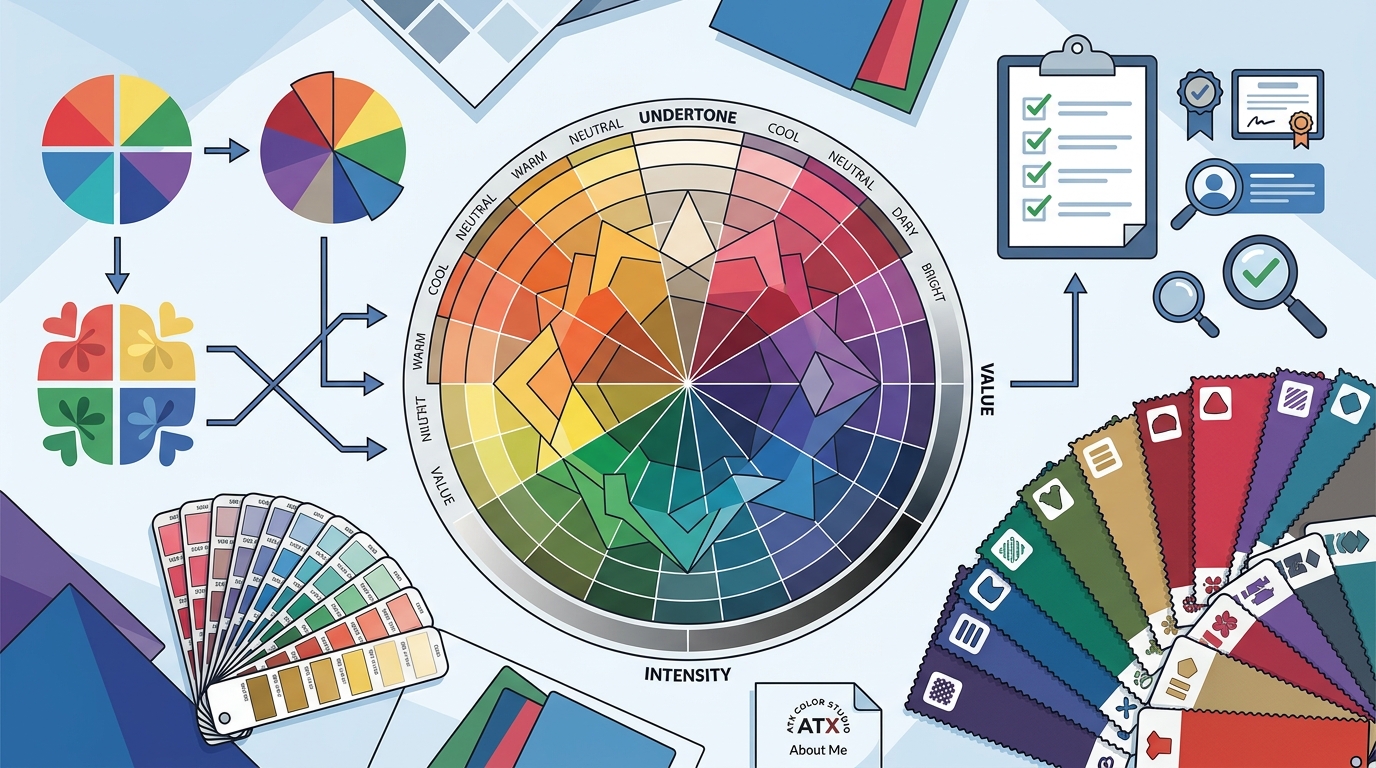
The 23-season color analysis differentiates itself from the traditional four-season model by evaluating three distinct dimensions: undertone, value, and intensity. This expanded framework creates 23 unique seasonal profiles rather than just four broad categories. This guide covers how to choose a qualified analyst, what to ask before booking, how to verify credentials, and what to expect during the session. It also details pricing factors, common mistakes, and how this advanced system compares to standard alternatives.
How to Choose a Qualified Analyst
Selecting the right professional is the most critical step in ensuring an accurate result. A qualified analyst uses a systematic approach rather than relying on guesswork or surface-level observations. You should look for a practitioner who explicitly states their training methodology and the specific system they employ.
Training Depth and Methodology
Not all color analysis training is created equal. Some programs offer basic weekend workshops, while others provide extensive, multi-day master training. At ATX Color Studio, the lead analyst is double master trained in the 23-Season Color Analysis system. This level of training ensures a deep understanding of how light interacts with skin, hair, and eyes.
System Specificity
Traditional four-season analysis groups people into Spring, Summer, Autumn, or Winter. The 23-season system breaks these down further. For example, instead of just being a "Spring," you might be a True Spring, Light Spring, or Clear Spring. This specificity allows for much more precise recommendations for clothing, makeup, and hair color.
What to Ask Before Committing
Before booking an appointment, you should ask specific questions to ensure the service meets your needs. These questions help you understand the scope of the session and the deliverables you will receive.
Key Questions for the Analyst
- Which specific color analysis system do you use?
- How many seasons or palettes are included in your analysis?
- Do you provide a physical swatch book or digital palette?
- Is the session in-person or virtual, and what are the requirements for each?
- What is included in the follow-up support?
Asking these questions ensures transparency. It also helps you compare different providers effectively. You want a clear understanding of what you are paying for.
How to Verify Credentials
Verifying an analyst's credentials is essential in an industry with varying standards. You can check for certifications from recognized training organizations. Look for evidence of ongoing education and professional development.
Checking Certifications
Reputable analysts often display their certifications on their website. You can verify these by contacting the training organization directly. Additionally, reading client reviews can provide insight into the analyst's professionalism and accuracy. At ATX Color Studio, the analyst's background and training are clearly outlined to build trust with clients.
How the Process Works
Understanding the step-by-step process helps set realistic expectations. A professional color analysis is a structured session that typically lasts between one and two hours. The process involves draping, observation, and recommendation.
The Draping Process
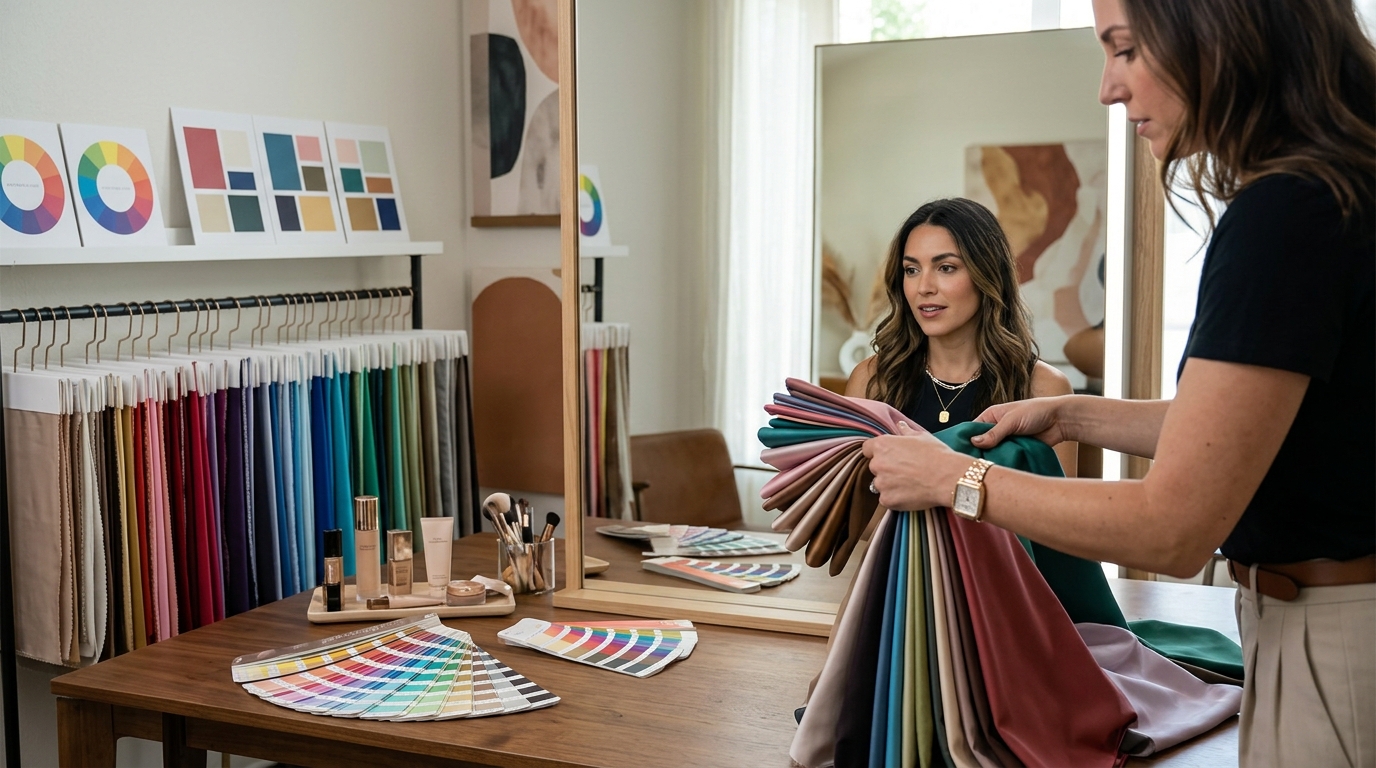
The analyst uses a set of drapes, which are fabric swatches in various colors. These drapes are placed near your face to observe how they affect your complexion. The analyst looks for signs of harmony, such as reduced redness, brighter eyes, and a more even skin tone. This visual comparison is the core of the analysis.
Deliverables
After the draping, the analyst determines your specific season. You will receive a personalized palette. This often includes a physical swatch book and access to a digital app. These tools help you apply your colors in daily life. The session concludes with a discussion of how to use your palette for clothing, makeup, and accessories.
What It Costs
The cost of color analysis varies based on several factors. These include the analyst's experience, the complexity of the system used, and the format of the session. In-person sessions are generally more expensive than virtual ones due to the use of physical materials and studio space.
Factors Influencing Price
- Analyst's training and experience level
- Complexity of the color system (e.g., 4-season vs. 23-season)
- Session format (in-person vs. virtual)
- Included deliverables (swatch book, app access, follow-up call)
While prices vary, investing in a high-quality analysis can save money in the long run by reducing wardrobe mistakes. For specific pricing details, you can review the services page at ATX Color Studio.
Common Mistakes to Avoid
Many clients make mistakes that can affect the accuracy of their analysis. Understanding these pitfalls helps you prepare for a successful session.
Preparation Errors
One of the most common mistakes is not following preparation instructions. This includes wearing makeup, using tinted moisturizers, or having recently used self-tanner. These products can alter your natural skin tone and lead to an inaccurate result. Always arrive without makeup and ensure your skin is in its natural state.
Ignoring Lighting
Lighting plays a crucial role in color analysis. For virtual sessions, poor lighting can distort how colors appear on your skin. Ensure you are in natural light or use a well-calibrated light source. For in-person sessions, the studio environment is controlled to minimize these variables.
Versus Traditional Alternatives
The 23-season system offers a significant advantage over the traditional four-season model. The four-season system is a broad generalization that may not capture the nuances of your unique coloring. The 23-season system provides a more tailored approach.
| Feature | Four-Season Analysis | 23-Season Analysis |
|---|---|---|
| Number of Profiles | 4 | 23 |
| Specificity | Broad | Highly Specific |
| Accuracy for Nuanced Coloring | Lower | Higher |
| Wardrobe Guidance | General | Detailed and Personalized |
This table highlights the key differences. The 23-season system allows for a more precise understanding of your color characteristics. It helps you make more informed decisions about your personal style.
For Specific Situations
Different life situations may influence your decision to pursue color analysis. For example, if you are planning a wedding, knowing your colors can help you choose the perfect dress and accessories. If you are transitioning your career, a professional image update can be beneficial.
Virtual vs. In-Person for Specific Needs
If you live far from a studio, a virtual session may be the best option. Virtual color analysis allows you to receive the same level of personalized guidance from anywhere in the world. This option is ideal for those who value convenience and flexibility.
Rules and Protections
Understanding the rules and protections associated with your service is important. This includes cancellation policies, refund terms, and privacy practices. Reputable studios have clear policies in place to protect both the client and the business.
Privacy and Data Protection
Your personal information and photographs should be handled with care. Check the studio's privacy policy to understand how your data is used and stored. At ATX Color Studio, client privacy is a priority, and data is protected in accordance with best practices.
Local Specifics for Austin
For those in the Austin, Texas area, local considerations may influence your choice of analyst. Proximity to the studio can be a factor, especially for in-person sessions. Austin has a vibrant creative community, and many residents value personalized, high-quality services.
Studio Location and Accessibility
ATX Color Studio is located in Bee Cave, Texas, which is part of the greater Austin area. The studio is designed to provide a comfortable and professional environment for your analysis. If you are local, an in-person session may be the most convenient and effective option.
Timing Your Analysis
Timing can affect the outcome of your color analysis. Seasonal changes in skin tone, such as tanning in the summer, can influence the results. It is best to schedule your analysis when your skin is in its most natural state. Avoid scheduling immediately after a significant change in hair color or skin tone.
Life Events
Consider scheduling your analysis before major life events. This ensures you have time to implement your new color palette. Whether it is a wedding, a job interview, or a personal style refresh, having your colors identified in advance can be beneficial.
Results Over Time
The benefits of color analysis are long-lasting. Once you know your colors, you can build a wardrobe that works for you. This reduces decision fatigue and increases satisfaction with your appearance. Over time, you will develop a deeper understanding of your personal style.
Long-Term Wardrobe Impact
Using your personalized palette helps you make smarter shopping decisions. You will spend less time returning items that do not suit you. This can lead to a more cohesive and confident wardrobe. The investment in a high-quality analysis pays off over time through better style choices.
Key Takeaways
- The 23-season system offers higher specificity than the traditional four-season model.
- Choose an analyst with verified, advanced training in the 23-season system.
- Ask specific questions about the system, deliverables, and session format before booking.
- Verify credentials by checking certifications and reading client reviews.
- Follow preparation instructions carefully to ensure an accurate result.
- Consider the cost factors, including analyst experience and session format.
- Use your personalized palette to make smarter, long-term wardrobe decisions.
Frequently Asked Questions
What is the main difference between 23-season and four-season color analysis?
The main difference is specificity. The four-season system groups people into four broad categories, while the 23-season system breaks these down into 23 unique profiles based on undertone, value, and intensity.
Is 23-season color analysis more accurate?
Generally, yes. The 23-season system provides a more detailed assessment of your coloring, which can lead to more precise recommendations for clothing, makeup, and hair.
How long does a 23-season color analysis take?
A typical session lasts between one and two hours. This includes the draping process, discussion, and delivery of your personalized palette.
Can I get a 23-season analysis virtually?
What do I receive after the analysis?
You typically receive a physical swatch book and access to a digital app. These tools help you apply your colors in daily life.
How much does a 23-season color analysis cost?
Costs vary based on the analyst's experience and the session format. In-person sessions are generally more expensive than virtual ones.
Do I need to remove makeup for the analysis?
Yes, you should arrive without makeup, tinted moisturizers, or self-tanner to ensure an accurate assessment of your natural skin tone.
Where can I find a 23-season analyst in Austin?
ATX Color Studio in Bee Cave, Texas, offers 23-season color analysis for clients in the Austin area and virtually worldwide.
Ready to Discover Your Colors?
If you are ready to explore your unique color profile, contact ATX Color Studio to book your session. Our team is dedicated to providing you with the personalized guidance you need to feel confident in your style.