

What Does My Skin Undertone Actually Mean and How Do I Figure It Out?
Your skin undertone is the subtle, permanent hue beneath the surface of your skin that dictates how colors interact with your complexion. It is not your skin color, which can change with sun exposure, but rather the foundational tone that remains consistent throughout your life. Understanding this base hue is the critical first step in personal color analysis, as it determines which clothing, makeup, and hair colors will harmonize with your natural features. At ATX Color Studio, we help clients identify this foundational element to build a wardrobe that feels authentic and effortless.
Defining the Concept: What Is Undertone?
Undertone is the underlying pigment in your skin that is visible beneath the top layer of epidermis. Unlike your skin tone, which refers to how light or dark your skin appears, your undertone is determined by genetics and does not change with the seasons. This distinction is vital because makeup artists and stylists rely on undertone to select products that complement rather than clash with your natural coloring. If you have ever felt that a shade of lipstick looked great in the store but flat at home, the issue was likely a mismatch between the product and your undertone.
There are three primary categories of undertone: warm, cool, and neutral. Warm undertones feature yellow, peach, or golden hints, while cool undertones display pink, blue, or red hues. Neutral undertones are a balanced mix of both, offering versatility in color choices. Recognizing which category you fall into provides a clear framework for making style decisions that support your natural beauty.
Visual Cues: How to Identify Your Undertone
Identifying your undertone at home requires observing specific visual cues in natural light. The most reliable method is to look at the veins on the inside of your wrist. If your veins appear blue or purple, you likely have a cool undertone. If they appear green or olive, you likely have a warm undertone. If you cannot clearly distinguish between blue and green, or if they appear blue-green, you may have a neutral undertone.
Another effective indicator is how your skin reacts to the sun. Those with cool undertones often burn easily and may tan minimally, while those with warm undertones tend to tan more readily. You can also observe the color of your natural hair and eyes. Cool undertones are often paired with blue, gray, or green eyes and hair that ranges from black to ash blonde. Warm undertones frequently accompany brown, hazel, or amber eyes and hair with golden or red tones. These visual markers provide a strong baseline for self-assessment before a professional session.
Common Mistakes: Why Self-Assessment Can Be Tricky
Many people struggle to identify their undertone because they confuse it with their skin tone or current complexion. A person with deep skin can have a cool undertone, and a person with fair skin can have a warm undertone. Assuming that fair skin equals cool and dark skin equals warm is a common error that leads to poor color choices. Additionally, lighting plays a significant role in how skin appears. Fluorescent lights can cast a greenish hue, while warm indoor lighting can make cool skin look yellowish. Always perform your assessment in natural daylight for the most accurate results.
Another frequent mistake is relying on a single indicator. While vein color is a helpful tool, it is not infallible for everyone. Some individuals have veins that appear blue-green, making the distinction difficult. This is where professional draping becomes essential. By testing a wide range of colors against the face, a color analyst can see how your skin reacts to different hues in real-time, providing a definitive answer that self-assessment might miss.
Professional Analysis: The Role of Draping
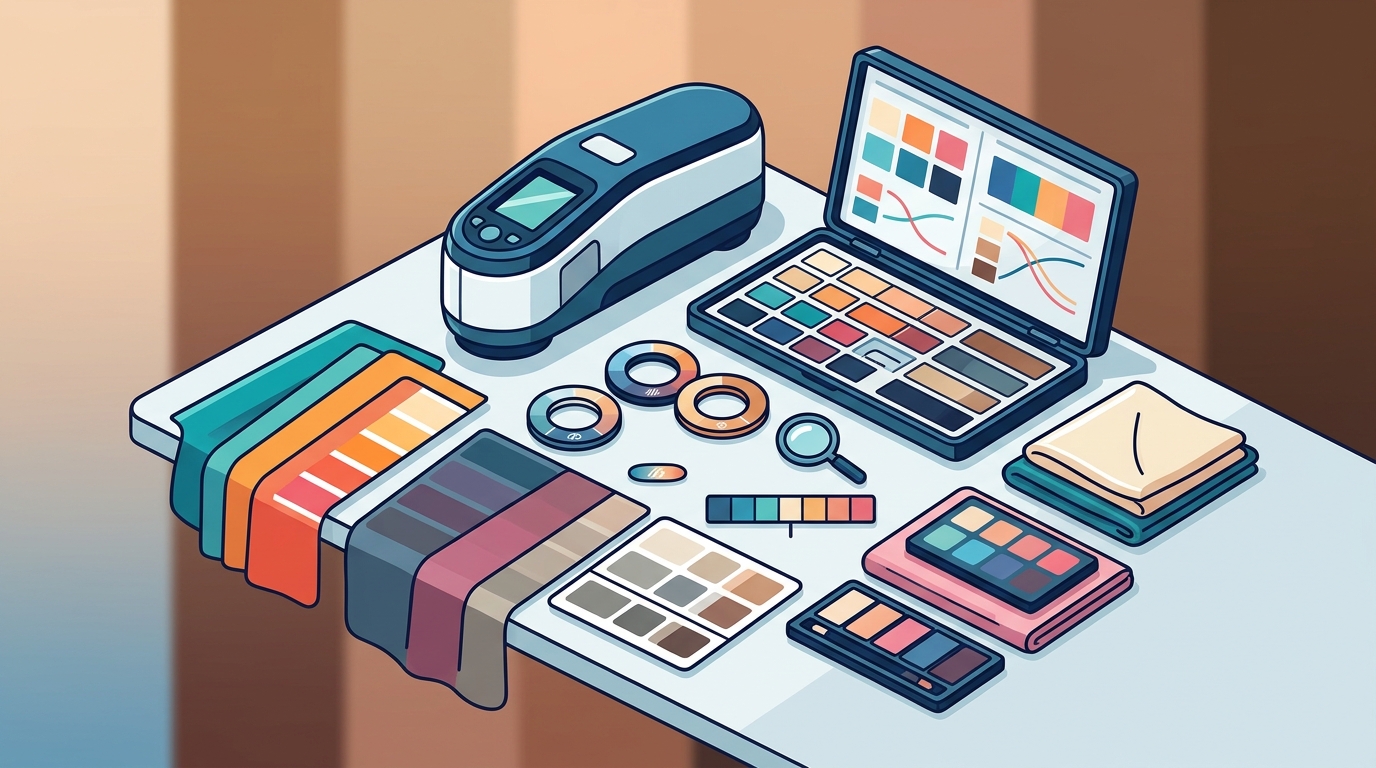
Professional color analysis uses a technique called draping to determine your undertone and overall seasonal palette. During a session, a color analyst holds various fabric swatches near your face to observe how they affect your complexion. This process reveals which colors brighten your features and which ones create shadows or dullness. At ATX Color Studio, we utilize the 23-Season method, a highly precise system that goes beyond the traditional four-season model to provide nuanced results. This advanced approach ensures that your recommendations are tailored to your specific combination of undertone, intensity, depth, and contrast.
The benefit of a professional session is the elimination of guesswork. You receive a customized swatch wallet and practical guidance on how to apply your palette to clothing, makeup, and hair. This level of detail is difficult to achieve through online quizzes or self-assessment alone. By working with a master-trained analyst, you gain a clear understanding of why certain colors work for you and how to use them effectively in your daily life.
Applying Your Undertone: Practical Style Tips
Once you know your undertone, you can start making informed choices about your wardrobe and beauty products. If you have a warm undertone, you will likely look best in earthy tones, warm neutrals, and golden jewelry. Colors like olive, rust, and warm browns will harmonize with your skin. If you have a cool undertone, icy blues, crisp whites, and silver jewelry will be your best friends. These colors enhance your natural radiance and reduce the appearance of redness or unevenness.
For those with a neutral undertone, the options are more flexible. You can wear both warm and cool colors, though you may find that certain shades work better depending on the context. The key is to observe how different colors make you feel and look. A well-chosen color can make you appear more rested and vibrant, while a clashing color can make you look tired. By aligning your style with your undertone, you create a cohesive look that feels authentic and polished.
Key Takeaways
- Undertone is the permanent hue beneath your skin, distinct from your changing skin tone.
- There are three main undertone categories: warm, cool, and neutral.
- Vein color, sun reaction, and natural hair and eye color are key indicators of undertone.
- Lighting significantly affects how your skin appears, so always assess in natural light.
- Professional draping provides a more accurate and nuanced result than self-assessment.
- Matching your clothing and jewelry to your undertone creates a harmonious and polished look.
Frequently Asked Questions
Can my undertone change over time?
No, your undertone is determined by genetics and remains consistent throughout your life. While your skin tone may change due to sun exposure or tanning, the underlying hue stays the same.
How is undertone different from skin tone?
Skin tone refers to how light or dark your skin appears, which can change with the seasons. Undertone is the subtle color beneath the surface, which is permanent and does not change.
What if I have a neutral undertone?
If you have a neutral undertone, you can wear both warm and cool colors. You may find that certain shades work better depending on the context, but you have the most versatility in your color choices.
Is a professional color analysis necessary?
While self-assessment can provide a general idea, a professional color analysis offers a more precise and personalized result. It helps you understand the full range of colors that work for you, including nuances that self-assessment might miss.
How does undertone affect jewelry choices?
Warm undertones typically look best in gold, bronze, and copper jewelry. Cool undertones are enhanced by silver, platinum, and white gold. Neutral undertones can wear both, though contrast may play a role in which metal looks best.
Can I wear colors outside my palette?
Yes, you can wear colors outside your palette, but they may not be as flattering. Understanding your undertone helps you make informed choices about how to style these colors to create more harmony.
Conclusion
Understanding your skin undertone is a foundational step in building a style that feels authentic and effortless. By identifying whether your undertone is warm, cool, or neutral, you can make informed choices about clothing, makeup, and accessories that complement your natural features. While self-assessment can provide a starting point, a professional color analysis offers the precision and nuance needed to truly unlock your best colors. At ATX Color Studio, we are dedicated to helping you discover the shades that make you shine, providing you with the tools and confidence to express your personal style with intention.
To begin your journey toward a more harmonious wardrobe, to schedule a consultation.